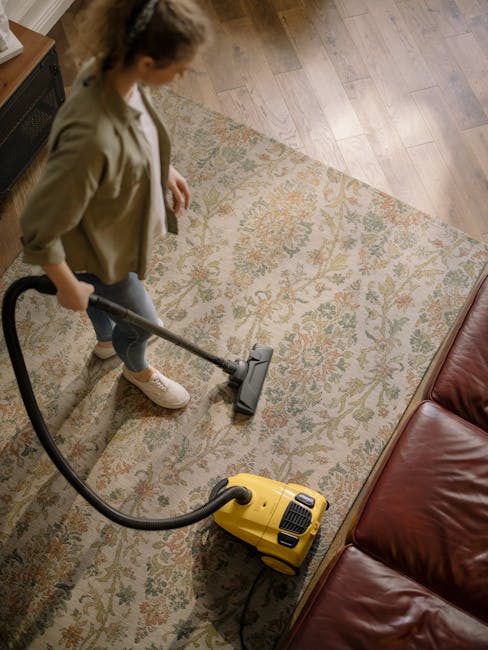
Carpet Cleaning for Homes on Aperfield Lane and Nearby Roads
If you live on Aperfield Lane or one of the nearby roads, you already know carpets take a beating in normal family life. Mud comes in on shoes, pet hair gathers in corners, a dropped cup of tea leaves a memory nobody asked for. Carpet cleaning for homes on Aperfield Lane and nearby roads is really about keeping those everyday fabrics fresh, hygienic, and comfortable without turning your week upside down.
This guide walks through how residential carpet cleaning works, when it makes sense, what to expect from a proper visit, and the small decisions that make a big difference. It also covers common mistakes, best practices, and the services people often pair with carpet cleaning, such as stubborn stain removal and pet stain and odour removal. If you are comparing options, or simply want your place to feel cleaner underfoot, you are in the right place.
Why Carpet Cleaning for Homes on Aperfield Lane and Nearby Roads Matters
Carpets do more than soften a room. They catch grit, dust, pollen, pet dander, food crumbs, and all the tiny bits of life that settle in by the front door and fade into the pile. On residential streets, that build-up tends to be uneven: hall runners near the entrance get the worst of it, stairs trap debris, and living room carpets absorb daily traffic in a way you only notice once the sunlight hits them at the right angle. You know the look.
Regular cleaning matters because a carpet can look "fine" while still holding dirt deep in the fibres. That hidden soil can make the room feel stale, flatten the pile, and wear the fibres down faster. In homes with kids, pets, or frequent visitors, this happens even quicker. To be fair, most people don't realise how much difference a proper clean makes until after it's done.
There is also a comfort factor that people often underestimate. A freshly cleaned carpet changes how a room feels. It smells lighter, looks brighter, and makes the whole place feel looked after. That counts, especially if you are getting ready for guests, moving in, moving out, or just trying to keep the house pleasant without repainting everything every six months.
If you are looking for a broader overview of what a specialist visit can include, the main carpet cleaning service page is a useful place to start, especially when you want to understand the basics before booking.
How Carpet Cleaning for Homes on Aperfield Lane and Nearby Roads Works
Professional carpet cleaning is not just a quick once-over with a machine. A proper process usually starts with inspection. The cleaner looks at fibre type, wear patterns, stains, access, and any problem areas such as pet accidents or high-traffic lanes. That first look matters because wool, synthetic fibre, and blended carpets respond differently. Use the wrong approach and you can get slow drying, residue, or a patchy finish. Nobody wants that.
Next comes pre-treatment. This is where targeted solutions are applied to loosen oily soil, food marks, and general grime. In homes with older carpets, this stage can make a dramatic difference. If there is a stubborn mark near the sofa or in a hallway, the cleaner may spend a little more time there rather than forcing everything through the same routine.
The main cleaning stage is often hot water extraction or steam carpet cleaning, depending on the carpet and the condition of the fibres. Despite the name, the process is usually more about controlled hot water and extraction than literal steam blasting. Soil is loosened and removed with a powerful rinse and suction system. Good extraction is key. If too much moisture remains, drying takes longer and the room can feel damp for far too long.
Some homes benefit from specialist stain treatment before or after the main clean. That can include steam carpet cleaning for deeper fibre cleansing or more focused stain removal when a mark has had time to settle in. If you've got a pet-related issue, odour treatment is often worth discussing as well.
Finally, a good technician will review the result, talk through drying time, and explain any areas that may need a second pass later. That final step sounds simple, but it tells you a lot about the standard of service.
Key Benefits and Practical Advantages
There are the obvious benefits, and then there are the ones people only notice once they live with clean carpets for a few days.
- Better appearance: Colours look less dull, and patterned carpets usually regain definition.
- Improved freshness: Odours from pets, cooking, spills, and general household traffic are reduced.
- Longer carpet life: Removing embedded grit helps reduce fibre abrasion.
- More comfortable living spaces: Rooms feel cleaner, calmer, and more welcoming.
- Better results for property handovers: End-of-tenancy or pre-sale presentation often looks more polished after a proper clean.
A practical advantage that often gets missed is consistency. Vacuuming is essential, obviously, but it only handles the top layer. Professional cleaning reaches deeper and helps reset the carpet rather than just tidying the surface. That can be especially useful in family homes where the same path gets walked daily from the door to the kitchen and back again.
There is also a hygiene angle. While carpet cleaning is not a medical service and should never be described as one, regular deep cleaning can reduce the build-up of common household debris and allergens. For many households, that simply makes the home feel better. Which, honestly, is the whole point.
People often pair carpets with other soft furnishings. If the sofa, rug, or curtains are also looking tired, you may want to explore sofa cleaning, rug cleaning, or curtain cleaning so the room feels properly refreshed rather than half-done.
Who This Is For and When It Makes Sense
In truth, almost any home can benefit from carpet cleaning at some point. But certain households tend to notice the difference most quickly.
Family homes with children often need more frequent attention because spills, crumbs, and heavy foot traffic are part of daily life. A hallway runner or living room carpet may look tired before the rest of the house does.
Pet owners usually notice odours, hair build-up, and the occasional accident. Even a small stain can linger if it is not treated correctly, and rugs near doors or feeding areas can take a real battering.
Homes with allergies or sensitivities may benefit from regular deep cleaning as part of a wider cleaning routine. It is not a cure-all, and it should not be treated as one, but it can support a cleaner indoor environment.
Homeowners preparing to sell often use carpet cleaning because it improves first impressions without major disruption. Let's face it, buyers notice a hallway carpet very quickly.
Tenants and landlords may also find it useful at the end of a tenancy or before a new occupancy, especially where the carpet has visible traffic marks or old spills. Just remember that booking timing matters. If the room must be ready by morning, don't leave the clean until late afternoon and hope for magic.
And if the issue is beyond general wear, such as a recurring pet smell or a single stubborn mark, specialist support is often the better route than trying one more home remedy. It saves time, and usually sanity too.
Step-by-Step Guidance
If you want the clean to go smoothly, a bit of preparation makes a real difference. Here is the practical flow most homes follow.
- Walk through the rooms first. Note the worst traffic areas, visible stains, loose edges, and any furniture that needs moving.
- Vacuum thoroughly. Even if a professional clean is booked, removing loose grit first helps the deeper clean work better.
- Flag problem spots. Mention pet accidents, drink spills, ink, makeup, or anything sticky that may need specific treatment.
- Clear smaller items. Lamps, baskets, toys, and fragile ornaments should be out of the way before the cleaner arrives.
- Discuss the method. Ask whether hot water extraction, steam carpet cleaning, or a specialist spot treatment is most suitable for the carpet type.
- Allow for drying. Keep pets and children off the carpet until it is properly dry, even if it looks nearly ready.
- Check the result room by room. Look for missed edges or spots while the cleaner is still there. It is much easier to sort then.
One small but important point: furniture movement should be discussed in advance. Some items can be shifted easily, others are better left in place. A heavy wardrobe is not a casual lift. Common sense saves backs.
If you want to understand pricing factors before you book, the pricing and quotes page is the most useful next stop. It helps set expectations around room size, stain severity, and method.
Expert Tips for Better Results
After years of seeing what works and what causes headaches, a few patterns become obvious.
Vacuum more often than you think you need to. Fine grit acts like sandpaper underfoot. The more of it you remove between cleans, the longer your carpet holds its appearance.
Deal with spills early. A fresh spill is usually much easier to treat than a dried one. Blot, don't scrub. Scrubbing pushes the stain around and roughs up the pile. A small thing, but it matters.
Be honest about stains. If you have already used a supermarket spot cleaner, mention it. Some products leave residues or react badly with professional treatments. Better to know upfront than guess later.
Use the right method for the fibre. Wool, synthetic and delicate blends all behave differently. The right cleaner will adjust the process rather than forcing one machine setting onto everything.
Plan around weather and ventilation. A dry, breezy day helps drying more than a stuffy, closed-up room. If you can open windows a little, do it. Just a little airflow can help more than people expect.
Think about the whole room. If a carpet is clean but the sofa arms are grimy, the room still feels tired. In those cases, upholstery cleaning can make the result feel complete rather than partial.
And one honest tip: don't chase every mark with five different products. That's how a tiny blemish turns into a larger, paler, weirder-looking patch. Been there, seen that, heard the sigh afterwards.
Common Mistakes to Avoid
Most carpet problems after a clean come from avoidable mistakes, not from the cleaning itself.
- Using too much water during DIY attempts. Soaking the carpet can slow drying and leave the underlay damp.
- Scrubbing stains aggressively. This can distort the pile and spread the mark deeper.
- Ignoring the carpet type. What works on a synthetic carpet may not suit wool.
- Waiting too long to treat a spill. Old stains are always harder to shift cleanly.
- Forgetting about odour sources. If the smell is coming from under the surface, a surface wipe won't solve it.
- Moving furniture back too quickly. Trapping dampness under heavy legs can leave marks or slow drying.
A quieter mistake is expecting every carpet to come back looking brand new. Sometimes the real goal is substantial improvement, better hygiene, and a fresher room. That's still a good result. The honest version is often the best version.
Tools, Resources and Recommendations
For homeowners, the best results usually come from combining a few sensible tools rather than relying on one miracle product.
| Option | Best for | Strengths | Limitations |
|---|---|---|---|
| Regular vacuuming | Weekly upkeep | Removes loose dust and grit, easy to maintain | Does not remove deep-set soil or stains |
| Spot treatment | Fresh spills and small marks | Quick response, useful between full cleans | Risk of over-wetting or residue if misused |
| Professional carpet cleaning | General deep cleaning | Better extraction, better stain management, more thorough overall result | Requires drying time and room preparation |
| Specialist stain treatment | Problem marks, pet accidents, stubborn odours | More targeted and often more effective than general cleaning alone | Not every stain can be fully removed |
If you are choosing between methods, the right question is not "Which is strongest?" but "Which is safest for this carpet and this problem?" That subtle shift saves a lot of trouble. It's a small mindset change, but a useful one.
For peace of mind around service standards, it can also help to read the company's insurance and safety information, especially if you are booking cleaning while people are at home. Households with children, older residents, or pets often appreciate that extra reassurance.
Law, Compliance, Standards, and Best Practice
For domestic carpet cleaning, there is usually no complicated legal process for the homeowner, but there are still sensible standards worth expecting from any provider. Good practice matters. It always does.
In the UK, a responsible carpet cleaning service should work in a way that respects health and safety, protects the property, and uses products appropriately. That means clear communication before arrival, sensible handling of electrical equipment, cautious use of water and cleaning solutions, and an approach that suits the carpet rather than just the machine.
You should also expect straightforward information about payment, security, and what is included. A proper booking conversation reduces misunderstandings later. If terms, payment arrangements, or cancellations matter to you, it is worth reviewing the relevant pages such as payment and security and terms and conditions.
Another good sign is transparency around complaints and accessibility. These are not just box-ticking pages; they show how a business thinks about customers. If you ever need them, it helps to know the route in advance. For that reason, the complaints procedure, accessibility statement, and privacy policy are sensible reads for anyone booking a service online.
On the environmental side, some households prefer services that think carefully about waste, water use, and product handling. If that matters to you, the company's recycling and sustainability approach may be worth checking. Not every clean needs a lecture about the planet, of course, but responsible practice is a fair expectation.
Options and Method Comparison
Different carpets and different homes need different approaches. Here is a simple comparison to help you think it through.
| Method | Best used when | What it does well | What to watch out for |
|---|---|---|---|
| Vacuum-only upkeep | The carpet is generally fine and just needs regular maintenance | Keeps surface debris under control | Won't remove deep soil or persistent odours |
| Steam carpet cleaning | You want a deeper clean and the fibres can tolerate it | Strong on embedded dirt and general refreshment | Drying time matters, and delicate carpets need care |
| Targeted stain treatment | A mark or spill is the main issue | Focuses on the problem area without overworking the whole carpet | Older stains may only improve, not vanish |
| Combined clean and odour treatment | There are both visible marks and smell issues | More complete result for pet-related or heavy-use areas | Needs a proper assessment first |
For many homes, the best answer is a mixed approach rather than a single method. Hallway traffic marks might need one treatment, while lounge carpeting benefits from a general deep clean. A good cleaner will usually explain that clearly instead of pretending every room is identical. They aren't, not really.
Case Study or Real-World Example
Here's a realistic scenario that comes up often. A family on a nearby road has a light-coloured carpet in the hallway and living room. Over time, the hallway takes on a greyish path from the front door to the stairs. The living room carpet looks fine from a distance, but close up it has a dull patch near the sofa and a faint smell after the dog's been in and out all week.
They try vacuuming more often. That helps a bit, but not enough. A supermarket spot cleaner is used on one stain, which lightens the mark but leaves a ring. Very common, that. So they book a professional clean, ask for pet odour support, and mention the DIY product already used.
The cleaner inspects the fibre, pre-treats the traffic lane, deals with the marked area separately, and works room by room. The result is not magic, but it is a big shift: the hallway looks less tired, the living room smells fresher, and the carpet pile stands up better. The family still keeps up with vacuuming after that, but the place feels easier to live in. Sometimes that is the whole win right there.
If the same home later wants help with soft furnishings too, they may look at mattress cleaning for bedrooms or curtain cleaning for the main rooms so the freshness carries through the house.
Practical Checklist
Use this quick checklist before your carpet clean. It keeps things simple.
- Vacuum all carpeted areas first.
- Point out stains, odours, and high-traffic lanes.
- Move small furniture and fragile items out of the way.
- Ask which cleaning method is most suitable for the carpet fibre.
- Confirm drying time and when it is safe to walk on the carpet.
- Keep pets and children away until the carpet is fully dry.
- Discuss any previous cleaning products used on stains.
- Check access, parking, and room layout before the visit.
- Review the result before the cleaner leaves, if possible.
Expert summary: The best carpet cleaning results come from a sensible match between the carpet type, the problem you are trying to solve, and the drying time you can realistically allow. Simple, but easy to get wrong if you rush it.
Conclusion
Carpet cleaning for homes on Aperfield Lane and nearby roads is less about chasing perfection and more about restoring comfort, freshness, and a bit of pride in the home. A good clean can lift a room, reduce day-to-day grime, and make the whole house feel easier to live in. That matters more than people sometimes admit.
The key is choosing the right method, being clear about the problem areas, and allowing enough time for drying and finishing. If you are dealing with traffic marks, pet odours, or a carpet that just looks a bit fed up, a professional clean is usually a sensible next step rather than a last resort.
Get a free quote today and see how much you can save.
And if you want to learn more about the team behind the service, you can also read the about us page. Sometimes it's nice to know who is coming through the door before the hoses and machines do.
Clean carpets won't solve everything, of course. But they do make home feel more like home.
Frequently Asked Questions
How often should carpets be professionally cleaned in a normal home?
For many homes, a professional clean every 12 to 18 months is a sensible starting point, but it depends on foot traffic, pets, children, and how quickly the carpet shows wear. Busy households often need it sooner.
Is steam carpet cleaning safe for wool carpets?
It can be, but only when the method, moisture level, and cleaning products are appropriate for the fibre. Wool needs care, so the technician should inspect the carpet first rather than assuming one method fits all.
Will carpet cleaning remove old stains completely?
Sometimes yes, sometimes partially, and sometimes not at all. It depends on what caused the stain, how long it has been there, and whether any previous products were used. Honest advice is more useful than a promise that sounds too neat.
How long do carpets take to dry after cleaning?
Drying time varies based on method, airflow, humidity, carpet thickness, and room temperature. Some carpets dry fairly quickly, while denser ones take longer. It is best to keep traffic off the area until it is properly dry.
Can carpet cleaning help with pet smells?
Yes, especially when the odour is coming from the carpet fibres rather than deeper structural damage. If the issue is recurring, specialist pet stain and odour removal is often the better choice.
Do I need to move furniture before the cleaner arrives?
Usually smaller items should be moved, but larger furniture is often discussed in advance. Some pieces can stay in place, and some are better shifted carefully. It is worth confirming beforehand so there are no surprises.
Is professional carpet cleaning better than renting a machine?
For most homes, yes, because professional equipment typically has stronger extraction, more suitable products, and more experience with fibres and stains. Rental machines can help with light maintenance, but they are not always enough for deep cleaning.
What should I do if I spill something before the appointment?
Blot the spill gently with a clean cloth, avoid scrubbing, and do not flood the area with water. Then tell the cleaner exactly what happened. That helps them choose the right treatment.
Can carpet cleaning improve indoor air freshness?
It can improve the feel and freshness of a room by removing built-up dirt, dust, and odour sources in the carpet. It is not a medical treatment, but many households notice the difference immediately.
How do I know whether I need stain removal or a full carpet clean?
If the problem is one or two specific marks, targeted stain removal may be enough. If the carpet looks dull, tired, or generally dirty, a full clean is usually the better call. Sometimes both are needed together.
Are there any terms I should check before booking?
Yes. It is sensible to read the booking conditions, payment details, and privacy information before confirming anything. The relevant pages are there to make the process clearer, not to bury you in fine print.
What if I need help with more than carpets?
That is common. Many homes benefit from a combined refresh, such as sofa cleaning, rug cleaning, or upholstery cleaning. Doing it together can make the home feel much more consistent.